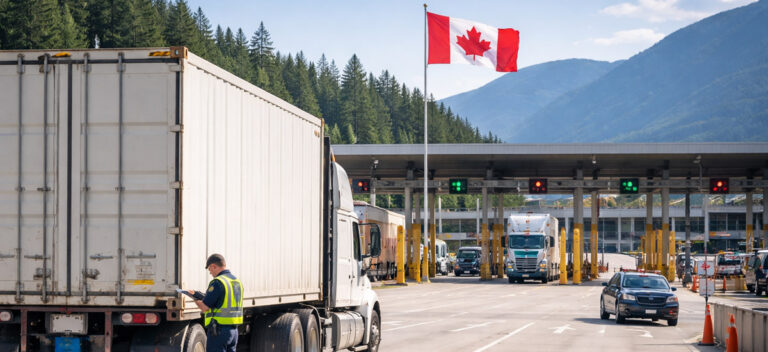

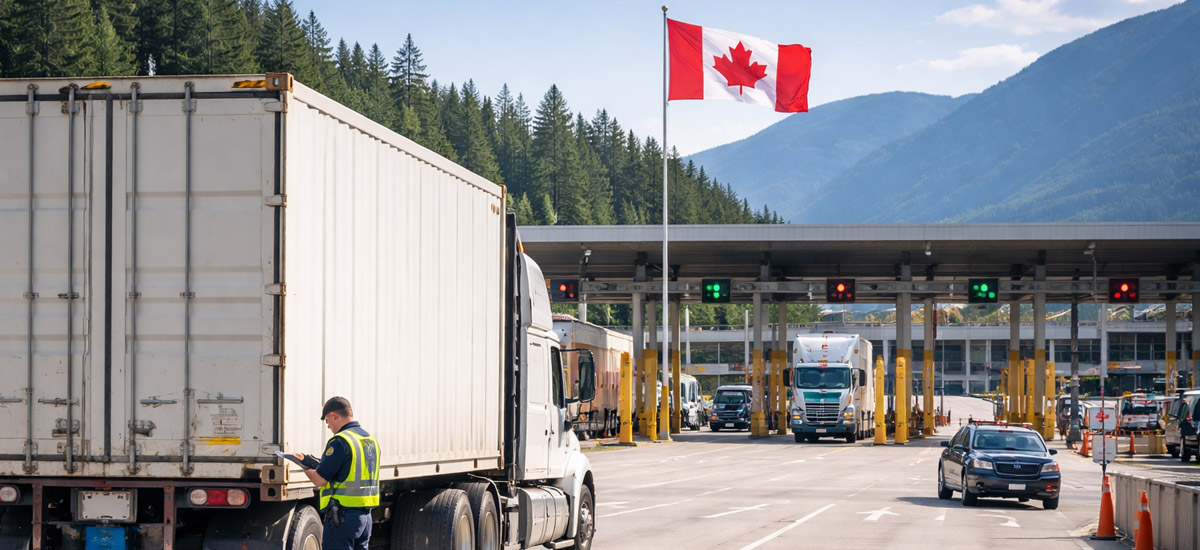
Canada’s import environment has changed significantly with the rollout of the CBSA Assessment and Revenue Management (CARM) system. One of the most searched topics by importers right now is the CBSA Bond; a term many businesses use when referring to the financial security required to release goods into Canada before duties and taxes are paid.
In reality, a CBSA Bond usually refers to a Release of Goods Prior to Payment (RPP) Bond, but that’s only one piece of the broader customs bonding framework. Understanding how these bonds work – and how they fit into CARM – is essential for importers, carriers, freight companies, and logistics providers across Canada, and internationally.
This guide explains what a CBSA Bond is, the different types of customs bonds available, and how non-cash security through a surety bond helps businesses maintain cash flow while staying compliant with CBSA requirements.
What Is a CBSA Bond?
A CBSA Bond is a form of financial security required by the Canada Border Services Agency (CBSA) to ensure duties, taxes, and regulatory obligations are met. Rather than providing a cash deposit, many businesses choose a surety bond, which is considered a non-cash security under CARM.
The most common example is the Release of Goods Prior to Payment (RPP) Bond, which allows importers to receive shipments immediately instead of waiting for payment processing.
However, CBSA bonding extends beyond importers. Several industries involved in moving or storing goods under customs control must also obtain specific bonds.
Common CBSA bond types include:
Release of Goods Prior to Payment (RPP) Bond
Highway Carrier Bond
Freight Forwarder Bond
Air Carrier Bond
Rail Carrier Bond
Marine Carrier Bond
Customs Broker License Bond
Customs Bonded Warehouse Bond
Customs Sufferance Warehouse Bond
Each bond serves a slightly different function and is applicable to the program you’re enrolled in, but they all share one purpose – providing CBSA with a financial guarantee that customs & duties obligations will be fulfilled.
Why CBSA Bonds Matter Under CARM
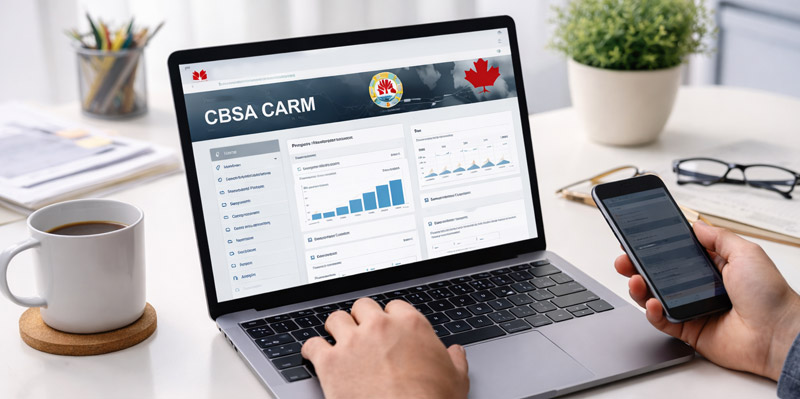
With CARM, importers are now responsible for managing their own financial security directly through the CBSA portal. This includes registering their business, maintaining accurate account details, and ensuring adequate security coverage.
CBSA encourages the use of non-cash security, such as surety bonds, because it reduces the need for large upfront deposits. For businesses importing frequently or managing high shipment volumes, this can significantly improve liquidity.
Instead of tying up capital in a cash bond, a surety bond allows companies to:
Preserve working capital for operations
Maintain faster release times at the border
Scale import volumes without increasing cash deposits
Because of these advantages, many Canadian importers now view surety bonds as the preferred method for meeting CARM security requirements.
The Most Common CBSA Bond: RPP Bond (Release Prior to Payment)
The RPP Bond is the bond most businesses mean when they search for “CBSA Bond.” It allows goods to be released into Canada before duties and taxes are paid, which helps streamline logistics and reduce delays at the border.
Without an RPP bond, importers may face:
Delayed shipment releases
Cash security requirements
Increased administrative burden
Under CARM, financial security requirements are tied to your import activity and account profile. Importers should confirm their obligations within the CARM Client Portal before applying for a bond.
It’s important to note that while a surety bond satisfies the financial security requirement, it does not replace compliance responsibilities. Importers remain fully responsible for reporting, payment timelines, and adherence to CBSA policies.
Get Your CBSA Bond with Same Day Service
Other Types of CBSA Bonds
Although RPP bonds are the most widely used, there are other CBSA bonds that we offer depending on the role your business plays in the supply chain.
Highway Carrier Bond
Required for carriers transporting goods in bond within Canada. These bonds ensure the carrier fulfills customs obligations while moving shipments under CBSA control.
Freight Forwarder Bond
Freight forwarders coordinating international shipments may require bonding to guarantee compliance with customs procedures.
Air Carrier Bond
Airlines or aviation logistics companies that transport goods into Canada may need an Air Carrier Bond to operate within CBSA frameworks.
Rail Carrier Bond
Rail operators moving bonded goods across Canadian borders often require this bond to maintain compliance with customs transit rules.
Marine Carrier Bond
Shipping companies operating marine freight into Canadian ports may require marine carrier bonding depending on their activities.
Customs Broker License Bond
Customs brokers licensed to transact business with CBSA must maintain a bond that guarantees adherence to regulatory requirements.
Customs Bonded Warehouse Bond
Businesses storing imported goods under customs control before duties are paid may need this type of bond.
Customs Sufferance Warehouse Bond
Facilities approved by CBSA to hold goods awaiting clearance must maintain bonding to ensure goods remain secure and properly managed.
Understanding which bond applies to your business depends on your operational role – importer, carrier, warehouse operator, or broker.
You can find pages like this Highway Carriers page on CBSA’s website directly. If you’re uncertain which bond you need, please confirm with CBSA / CARM prior to applying for your surety bond.

Registering for CARM Comes First
One of the biggest misconceptions businesses have is thinking they should apply for a CBSA bond before registering in CARM. In reality, you must complete your CARM registration first.
Before seeking a surety bond, make sure you have:
A fully registered business account in the CARM Client Portal
Your BN15 number confirmed and accurate
An Understanding of your full legal business name entered exactly as registered in CARM
Even small details matter. Spelling errors, missing punctuation, incorrect spacing, or incomplete legal names can cause delays and fees during bond issuance or rejection during CBSA submission.
Because bonds are tied directly to your registered entity, your BN15 information must match exactly with CARM records as well.
Non-Cash Security: Why Surety Bonds Are Preferred
CBSA’s shift toward digital financial management has made non-cash security increasingly attractive. Instead of depositing cash directly with CBSA, businesses can secure a bond through a licensed surety provider.
Benefits of non-cash security include:
Improved cash flow
Reduced financial strain during growth periods
Faster scaling of import activity
- Lesser security amount as surety bonds count for double security relative to cash
As an example: if you require a $20,000 security amount on your CARM account, posting a $10,000 RPP Bond as security will suffice. If you utilized cash deposit instead, you would still need to place the $20,000.
The typical cost of a bond is only $350 CAD per year (for a $5,000 Bond), depending on the security amount required.
From a business perspective, this is often the most efficient way to meet CBSA requirements while keeping capital available for operations.
For many importers, choosing a surety bond instead of a cash deposit is not just a convenience — it’s a strategic financial decision.
How the Bond Process Typically Works
Although every business is different, the general process for obtaining a CBSA bond usually follows these steps:
Complete your CARM registration and confirm your BN15 details.
Determine which type of CBSA bond applies to your activities.
Submit your bonding request with accurate legal business information.
We’ll review and approve your bond, typically same business day.
Once approved, the bond is issued electronically via API directly to CBSA’s Portal. No upload required!
Accuracy at the beginning of the process is crucial. Incorrect legal names or mismatched BN15 details are among the most common reasons for delays & extra costs.
Choosing the Right Bonding Partner
As CARM evolves, many businesses are searching for a reliable surety bond brokerage that specializes in Canadian Customs & Excise Bonds.
Bond Connect (that’s us!) focuses exclusively on surety bonding services across Canada, helping importers and logistics companies secure CBSA bonds efficiently. Because bonding is our core expertise, we’re able to guide businesses through the bonding process while ensuring documentation aligns with CBSA requirements.
If your business needs a CBSA Bond – whether it’s an RPP bond, carrier bond, or warehouse bond – working with a brokerage that understands the nuances of Canadian surety bonding can help streamline the experience.
We also offer Non-Resident GST Bonds as part of our core service if your business does not have a registered address in Canada.
Key Takeaways for Importers Searching “CBSA Bond”
A CBSA Bond is most commonly an RPP Bond, but several other bond types exist depending on your role.
You must register in CARM and confirm your BN15 information before applying for a bond.
Non-cash security through a surety bond is the preferred and most cost effective method under CBSA requirements.
Accurate legal business details are essential for successful bond issuance.
Bond providers issue financial guarantees – they do not replace customs brokers or provide regulatory advice directly.
Frequently Asked Questions (FAQ)
Q: What is the difference between a CBSA Bond and an RPP Bond?
A: Some businesses use the term CBSA Bond to refer to an RPP Bond, but CBSA bonding includes several categories such as carrier bonds, warehouse bonds, and customs broker bonds.
Q: Do I need to register for CARM before getting a bond?
A: Yes. Your BN15 number and legal business information must be established in CARM before a bond can be issued.
Q: Is a surety bond considered non-cash security?
A: Yes. CBSA recognizes surety bonds as non-cash security, which allows businesses to avoid large cash deposits. It also counts as double the amount deposited in bond format.
Q: Can a bond provider help me manage CARM filings?
A: No. Bond brokerages issue surety bonds only. For compliance or customs advice, you should work with a licensed customs broker.
Q: How much does a CBSA Bond Cost?
A: The CBSA Bond cost & requirements will vary depending on the bond amount needed. Bonds annual premium start as low as $350 CAD per year for the minimum $5,000 guarantee. Any bonds under $100,000 in aggregate amount are generally approved with little to no underwriting.
If you require a CBSA Bond greater than $100,000 in value, we’ll need to review corporate accountant prepared financial statements to have the bond approved.
Conclusion
If you’re preparing to import goods under CARM and need to meet CBSA financial security requirements, understanding how CBSA bonds work is the first step.
By securing the correct non-cash security through a trusted surety bond provider, your business can keep goods moving while maintaining financial flexibility – an essential advantage in today’s Canadian trade environment.