

If you’re a contractor in Canada, becoming ‘bond ready’ is not just about applying for a surety bond when a project comes up. It is about building a business that a surety can trust with confidence, especially when you are bidding on larger construction projects, public work, or projects that require contract bonds.
For many contractors, the bonding process feels complicated at first. There are financial statements, work-in-progress schedules, bank references, experience requirements, and underwriting questions that seem to arrive all at once. However, once you understand what sureties are looking for, the process becomes much more manageable and far less intimidating.
The good news is that being bond ready is not reserved for large, established contractors. With the right preparation, a smaller or growing contractor can position their business well to become bonded (have a bond facility) and improve bonding capacity over time. This enables contractors to become a stronger candidate for more complex and larger scale work.
Chat with a Surety Bond Specialist
What 'Bond Ready' Means
Being bond ready means your company is prepared for surety underwriting before a bond is urgently needed.
It means your financial records, project history, corporate structure, banking arrangements, risk controls, and more, are organized enough that a surety can assess your business efficiently and with confidence.
In practical terms, bond readiness helps you bid faster, respond to opportunities sooner, and avoid delays that can cost you work.
For contractors, this is especially important because many public and private owners want assurance that the job will be completed as agreed and that subcontractors and suppliers will be paid.
A bond-ready contractor is easier to support because the surety can clearly see the business’s ability to perform, manage cash flow, and handle commitments responsibly.
Being bonded is a testament to your trustworthiness, translated into underwriting documentation.

Why Surety Bonds Matter in Construction
Construction bonds are common in Canada because they help protect the owner, the project, and the people supplying labour and materials from potential principal default.
A bid bond helps support the tendering process, a performance bond guarantees contract performance, and a labour & material payment bond protects eligible subcontractors and suppliers from non-payment.
In some cases, bonding is required by law or by the tender documents themselves, particularly for public sector construction work.
Even where bonds are not mandatory, owners may still require them to reduce risk on higher-value or more complex projects.
That is why contractors who want to grow should think about bonding early rather than treating it as an afterthought.
What Sureties Look For
Surety underwriting is based on trust, but that trust is not vague. It is built on a review of character, capacity, and capital – these are referred to in the industry as the three C’s of surety.
Character refers to reputation, integrity, and the contractor’s history of doing what they say they will do. Underwriters will look into if you have been or are being sued, negative review online, or other information of concern related to any shareholders.
Capacity refers to whether the contractor can handle the size and complexity of the work they are taking on, both operationally and financially. Do you have the appropriate equipment, expertise, etc. to carry about a particular type of work.
Capital refers to the company’s financial strength, net worth, and ability to absorb normal project pressures. Equity and working capital are foundational numbers that underwriters need to be confident in to support the size of working capacity you may be pursuign.
A surety will also want to understand whether your business has a healthy banking relationship, a line of credit, and a practical approach to cash flow management.

In other words, the underwriter is not just asking whether you can win the job. They are asking whether you can complete it successfully without creating unnecessary risk for the project owner or the surety.
Bonding underwriters are looking at a contractors entire work program, any shared ownership businesses financial position (even holding companies or unrelated businesses), and considering the financial risk on managing all of these things going forward – not only the one bonded project they’ll be issuing bonds for.
All of the factors above are considered to become ‘bond ready’.
Financial Statements Matter
One of the most important parts of bond readiness is having clean, current financial statements.
Sureties often want to see the most recent external accountant prepared year-end financial statements in either Compilation Engagement Report or Review Engagement. Audit Statements are of course also accepted, but typically not required.
Interim statements are also important, especially if it has been 4+ months since your last year-end.
The purpose of the financial review is not just to look at revenue. It is to understand profitability, working capital, equity, debt, and how your company handles day-to-day obligations.
If your statements are behind schedule, unclear, or incomplete, the surety will have a harder time assessing your file, which can slow down approvals or restrict you from getting a bond facility at all.
Work In Progress
Your work-in-progress schedule or work on hand report is an important part of the surety underwriting process as well.
It shows what you are working on now, what has been billed, what remains to be completed, and how much backlog you already have committed.
This helps the surety understand how much pressure is already on your business and whether you can safely take on additional work – whether it be bonded or unbonded.
The surety is not only looking at how much work you have won. It is also looking at whether the work is manageable.
A contractor who is overloaded can appear stronger on paper than they really are, which is why accurate reporting matters so much. Believe it or not, underwriters typically prefer a lower work on hand / cost to complete than having a lot of work on the go.
Good backlog management can make a difference between a modest program and a stronger bonding facility over time.
Apply for a Construction Bond in Minutes
Banking Support and Liquidity
A strong banking relationship supports your surety file in a meaningful way.
Sureties like to see that your business has a responsive bank, an established line of credit is not required, but helps; and enough liquidity to handle timing differences between billing and cash collection.
Construction is cash flow intensive, and even profitable jobs can create pressure if payment timing is poor. This is one reason sureties pay close attention to working capital and accounts receivable / payable.
If your business is thinly capitalized or heavily dependent on slow customer payments, the surety may be cautious until it sees stronger financial discipline. They may write-off receivables as assets on the balance sheet if they’ve been outstanding for too long (doubtful receivables).
Keeping your banking information current and organized helps create confidence during underwriting.
Experience and Project History
Bonding underwriters want to know what kind and size of work you have already completed and whether it matches the work you want to pursue.
A contractor who has successfully completed smaller jobs will usually need to build up gradually before securing larger bonded projects.
This is especially true when the next opportunity involves a different scope, a higher contract value, or a more demanding owner.
Project history helps tell the story of your company’s capacity.
The more clearly you can show completed jobs, client references, contract values, schedules, and outcomes, the easier it is for the surety to understand your readiness.
If you are moving into new types of construction work, it helps to show that key people on your team still have the knowledge and experience needed to manage the project successfully.
A good rule of thumb for pushing contract sizes is you can qualify for bonds somewhere between 1.5 and 2 times multiple of your largest completed contract to date.
Corporate Structure
Sureties do not just underwrite the operating company in isolation. They also need a clear picture of the full ownership and related-company structure behind it.
That includes the contractor’s company, the individual shareholders personally, any holding companies, and any affiliated or related companies, since all of these can affect the overall credit profile and underwriting decisions.
For that reason, it is extremely helpful when each relevant entity has external accountant-prepared year-end financial statements available.
When the corporate structure is more complex, a surety will typically want to understand how each entity is connected, what assets and liabilities sit where, and whether there are any intercompany obligations or operational dependencies that could affect performance.
A clear organizational chart can make this much easier to review. It helps show ownership, control, and relationships between the contractor, shareholders, holding companies, affiliates, trusts, and any other related entities.
In a simple structure – for example, one owner who owns 100 percent of one operating company – this level of detail may be less necessary, but for anything more layered, clarity is a major advantage in underwriting.
Strong corporate transparency helps the surety assess the business more accurately and efficiently. The easier it is to understand the full structure, the easier it is to support the bond program with confidence.
Common Mistakes Contractors Make
One of the most common mistakes is waiting until bid day to start the bonding conversation.
Another is failing to keep financial statements up to date.
A third is trying to take on work that is too large too quickly, which can stretch capacity and create underwriting concerns to the point of being declined completely.
Some contractors also underestimate how important honest & open, timely communication is.
Sureties usually respond more positively to contractors who are transparent and proactive than to those who only communicate when they need a bond urgently.
How to Build Up Bonding Capacity
Bonding capacity grows when the business consistently performs well.
That means completing projects on time, paying subcontractors and suppliers properly, maintaining clean financials, and keeping leverage under control.
It also means choosing work that fits your current stage of growth instead of chasing every opportunity too aggressively.
A contractor that steadily reinvests in the business can strengthen net worth and improve future bonding opportunities.
Over time, a good track record with the surety can lead to a larger facility, better flexibility, and the confidence to pursue more substantial work.
That is the long-term value of becoming ‘bond ready’ rather than just bondable for one project.
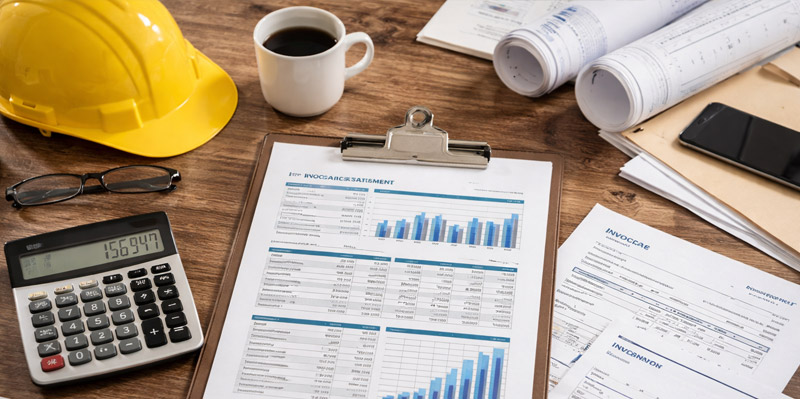
Bond Readiness Checklist
Before you approach a surety for construction bonding, it’s important to ensure you can provide the following:
Most recent external accountant prepared year-end financial statements for all businesses with shared ownership.
Interim financial statements including a balance sheet, profit & loss, aged receivables listing, aged payables listing.
A work-in-progress / work on hand schedule.
A list of completed projects with contract values and references.
Bank reference information and details of any line of credit.
Personal financial statements for any owners / shareholders.
Evidence of your contracting history and accomplishments to date (even if not under the current business).
If you can provide these items quickly and accurately, you will usually make the underwriting process much smoother.
That does not guarantee approval for every request, but it does make it much easier for the broker & surety to understand your business and support your next step.
FAQ
Q: Can I get bonding without financial statements?
A: In most cases, no. A surety needs current financial statements to assess your company properly. The main exception is a brand-new business with strong industry experience and a very strong starting cash position; in those cases, a contract bond facility may still be possible.
As a general benchmark, a minimum equity & working capital position of $150,000 is required to consider a contract bond facility.
Q: Why is my corporate structure important to the surety?
A: A surety needs to understand the full ownership and related-company picture behind the contractor.
That includes the operating company, shareholders personally, holding companies, affiliated companies, and any other related (and unrelated) entities that could affect financial strength or risk. Clear structure makes underwriting faster and more accurate.
Q: What type of financial statements are preferred?
A: External accountant-prepared year-end financial statements are required for every relevant entity in the structure.
They give the surety a more reliable view of financial performance, equity, and overall stability. The more complete and consistent the reporting is, the easier it is to support a bond request.
Q: When should I start the bonding conversation?
A: The best time is before you are under pressure to bid or start work.
Bonding is easier to arrange when your financials, ownership structure, and project history are already organized. Early planning gives your broker and surety more time to review the file and structure the right facility.
Final Thoughts on Being 'Bond Ready'
Becoming bond ready in Canada is really about building a stronger business, not just filling out an application.
When your finances are organized, your project history is clear, your banking is in order, and your management systems are solid, surety underwriting becomes much easier.
That is the foundation for better bonding capacity, smoother approvals, and more opportunities in the Canadian construction market.
If you are preparing for a construction bond, performance bond, or bid bond / consent of surety, the best time to get your file in order is before the next tender is due.
Bond Connect helps Canadian contractors navigate underwriting and secure the right surety solution for their work.